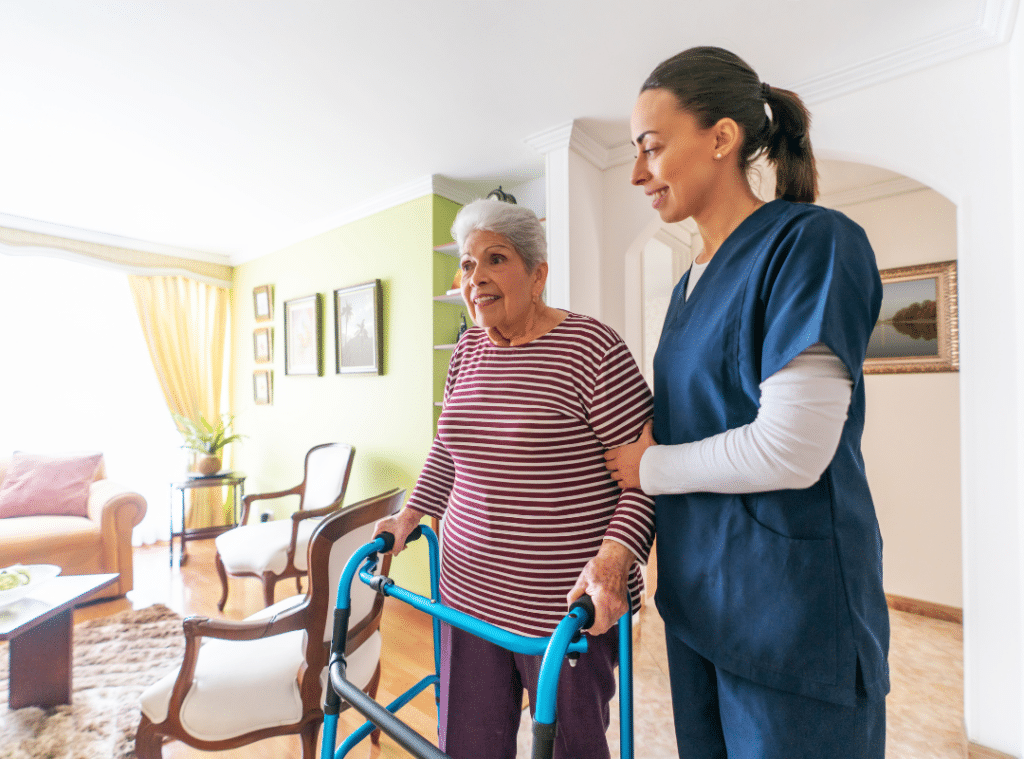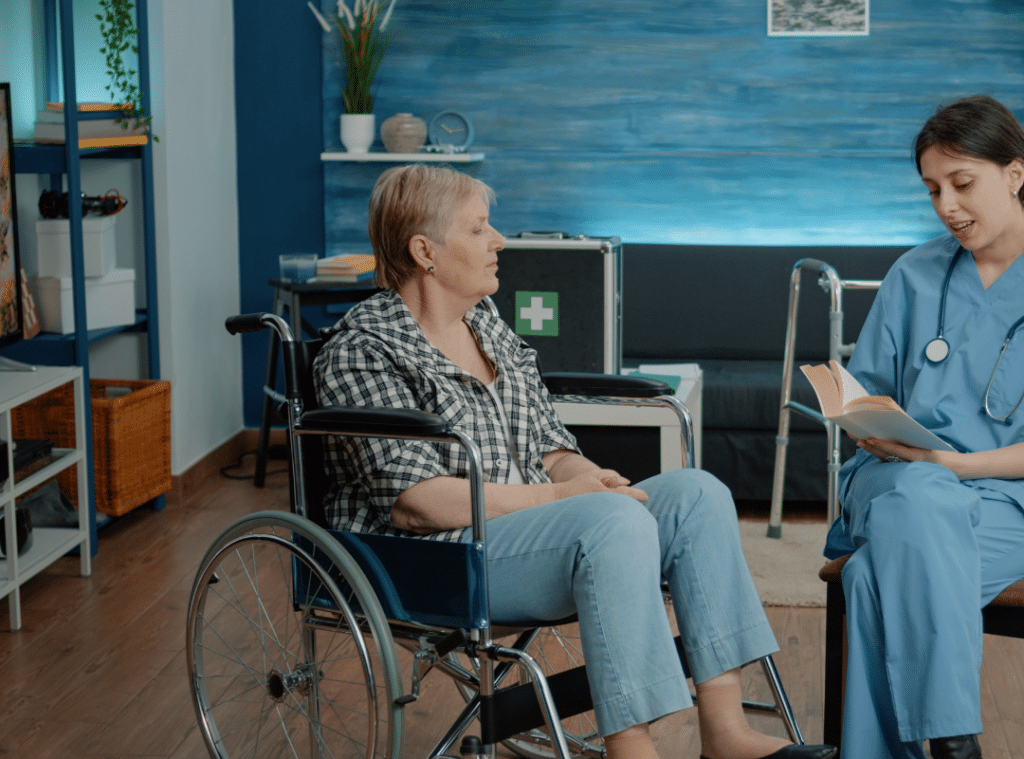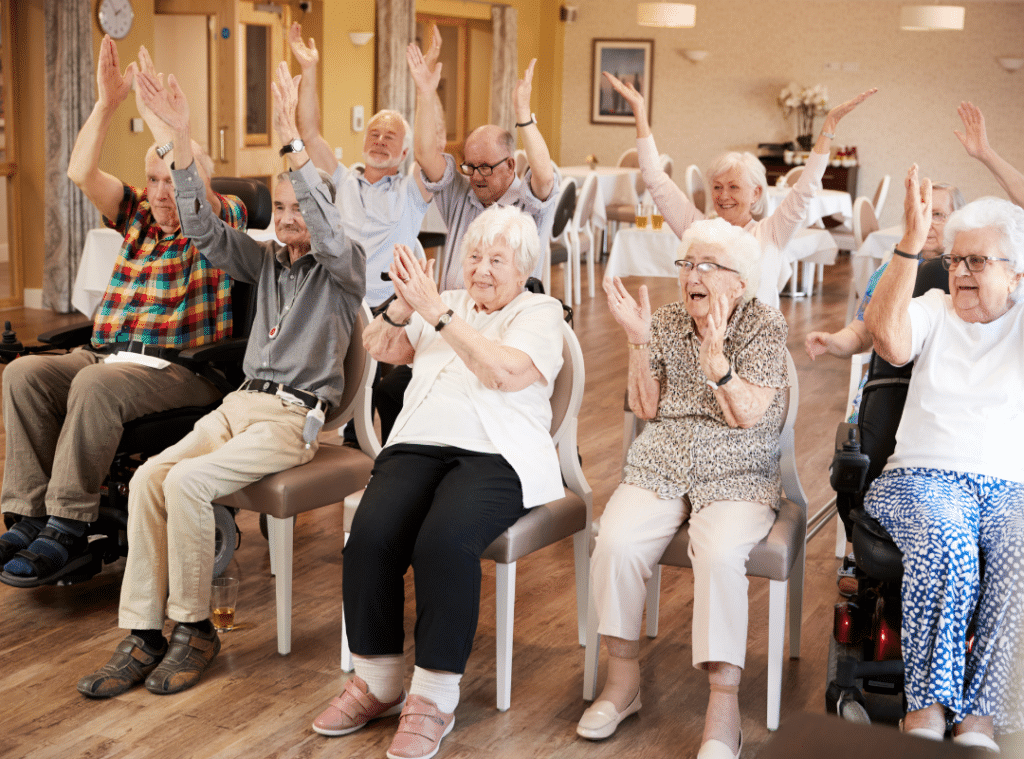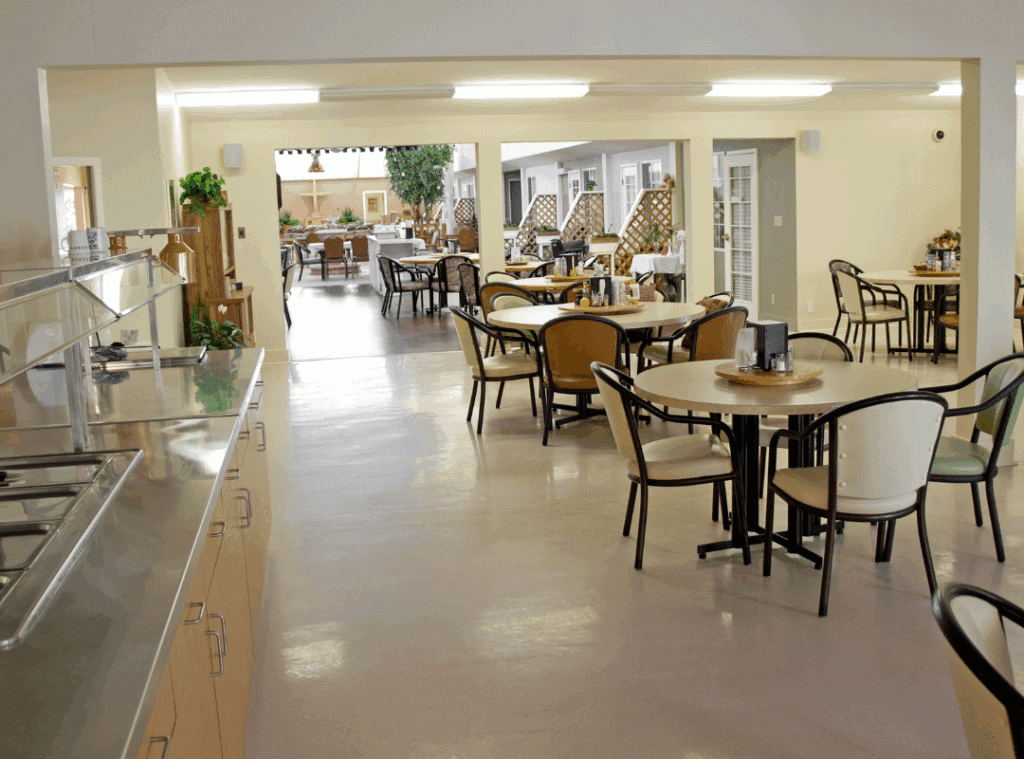
Walking exercises for seniors are simple, low-impact movements that help you stay active, support balance, and build confidence in daily routines without needing special equipment. You can walk outdoors, indoors, at home, or in a senior living community where movement fits naturally into your day.
At Arcadia Senior Living Louisville in Louisville, KY, wellness can be part of everyday life through thoughtful amenities such as a Fitness Center, Walking Path, and on-site support from EmpowerMe Wellness for customized physical, occupational, and speech therapy services. This makes walking feel less like a task and more like a steady, enjoyable habit.
What Are Walking Exercises for Seniors?
Walking exercises for seniors are structured walking movements designed to support safer, more consistent activity. They may include steady walking, marching in place, interval walking, heel-to-toe steps, treadmill walking, or guided indoor routines.
Walking Exercises vs. Regular Walking
Walking exercises usually have a clear purpose, such as building stamina, practicing balance, or following a set time. A casual walk can still be valuable, but a structured routine gives you a simple way to track progress and stay consistent.
Who Can Benefit From Walking Exercises?
These exercises can work well for seniors over 60, seniors over 70, beginners, and those who prefer walking exercises for seniors at home. They can also help families encourage steady movement in a way that feels realistic and manageable.
Benefits of Walking Exercises for Seniors
Walking can support heart health, stamina, mood, balance, and mental clarity while staying gentle on the body. The National Institute on Aging exercise guidance shares practical ways older adults can make physical activity part of daily life safely.
Walking for Mobility, Balance, and Confidence
Walking can help you feel steadier in daily movement, especially when paired with simple strength and balance exercises. Chair stands, standing leg lifts, wall push-ups, and one-foot balance practice can support the muscles used for walking.
Walking as Part of Daily Wellness
You do not need special equipment to begin. A steady routine, supportive shoes, and safe walking spaces can help you feel more comfortable as you build consistency.

How to Prepare for a Safe Walking Routine
A safe walking routine starts with knowing your current comfort level. If you have health concerns or are starting after a long break, speak with your healthcare provider before beginning a new exercise plan.
Start With Your Current Comfort Level
Begin with a pace that lets you move comfortably and stay aware of how your body feels. If a walk feels too tiring, shorten the time, slow your pace, or break it into smaller sessions.
Choose Supportive Shoes and Safe Walking Areas
Choose supportive walking shoes, stay hydrated, and use flat, well-lit areas when possible. If you are exploring more support with daily routines, Assisted Living can offer a setting where wellness and everyday assistance work together.
Simple Walking Exercises Seniors Can Try
Simple walking exercises can help you stay active without making your routine feel overwhelming. Start with movements that feel steady and controlled, then increase time or pace as your confidence grows.
Helpful options include:
- Marching in place while watching TV or listening to music
- Heel-to-toe walking on a flat surface for balance practice
- Interval walking with slow and slightly quicker steps
- Walking path laps at a comfortable pace
- Step-touch movements for indoor variety
These simple, no-equipment walking exercises can fit easily into your daily routine. If balance is one of your main goals, you may also find balance training for seniors useful as a related next read.
Walking Routine Ideas by Fitness Level
A walking routine should match your comfort, space, and energy level. The CDC older adult activity guidelines note that adults 65 and older need aerobic, muscle-strengthening, and balance activities each week, including at least 150 minutes of moderate-intensity activity.
|
Fitness Level |
Routine Idea |
Best Setting |
Notes |
|
Beginner |
Short indoor walk or marching in place |
At home or in the hallway |
Start slow and focus on consistency |
|
Active Senior |
Interval walking |
Walking path or treadmill |
Alternate easy and brisk pacing |
|
Balance-Focused |
Heel-to-toe walking |
Flat surface |
Keep support nearby if needed |
|
Strength-Focused |
Walking with light weights |
Indoors or outdoors |
Keep movements controlled |
|
Time-Based Routine |
30-minute walking exercise |
Indoors or outdoors |
Break into shorter sessions if needed |
Indoor, At-Home, and Guided Walking Options
Indoor walking is a practical option when the weather is not ideal or when you prefer a familiar setting. You can walk in place, move from room to room, use step-touch movements, or follow a guided routine.
Walking in Place and Step-Touch Movements
Walking in place and step-touch movements can help you stay active in a hallway, living room, or open indoor space. These are simple options for walking exercise for seniors over 60 at home and walking exercise for seniors over 70 because you can adjust the pace.
Using Guided Walking Videos
If you enjoy visual support, walking exercises for seniors YouTube searches may help you follow indoor routines. Choose videos that feel steady, clear, and appropriate for your comfort level, especially when looking for indoor walking exercises for seniors YouTube options.
Staying Motivated With a Routine
A walking routine is easier to keep when it fits your real life. Walk with a friend or neighbor, track your time instead of distance, pair walking with music, or use indoor walking on days you want to stay inside.
If you are unsure what level of support fits your lifestyle, a care assessment can help you think through care needs, daily routines, and wellness goals more clearly.
Take the Next Step Toward Active Senior Living
Walking exercises for seniors can support movement, confidence, and connection one step at a time. Whether you prefer outdoor walks, at-home routines, light weights, or a 30-minute walking exercise for seniors, the best routine is one you can enjoy consistently.
At 901 Blankenbaker Pkwy, Louisville, KY 40243, Arcadia Senior Living Louisville offers a setting where active living can feel natural through spaces such as the Walking Path, Bistro, Porch, and Fitness Center. To picture daily wellness for yourself or someone you love, you can schedule a tour or contact us.
Frequently Asked Questions
Does walking help lower cortisol?
Walking may help support stress management, which can be connected to healthier cortisol patterns. It is not a guaranteed medical treatment, but gentle physical activity can help you feel calmer and more balanced. The American Heart Association walking resource shares that regular physical activity can support mood, energy, sleep, and stress relief. For many seniors, a short walk can be a simple way to reset during the day.
What is the 3 3 3 rule for walking?
The 3 3 3 rule for walking can be used as a simple pacing idea, but the exact meaning may vary. For seniors, the safest approach is to keep walking manageable, steady, and repeatable. You might use short walking periods, gentle rest breaks, and a few repeated rounds to build confidence. Choose a pace that feels comfortable and stop if you feel pain, dizziness, or unusual shortness of breath.
What is a good beginner walking routine for seniors?
A good beginner walking routine for seniors starts with short, comfortable walks on safe, even surfaces. You might begin with 10 minutes a day, a few days per week, then slowly add time as you feel stronger. Supportive shoes, hydration, and a steady pace can make the routine safer and easier to keep. If 10 minutes feels too long, break it into shorter walks throughout the day.