
Staying mentally active is just as important as maintaining physical health. Cognitive games for seniors help support memory, focus, and emotional well-being while encouraging meaningful social interaction. Whether you’re exploring free cognitive games for seniors, looking for cognitive games for seniors online, or searching for group brain games for seniors, the right activities can make everyday life more engaging and fulfilling.
At Arcadia Senior Living Louisville, cognitive engagement is part of daily life. Residents enjoy structured activities designed to support brain health while building friendships and maintaining independence. If you’re exploring simple ways to stay mentally active, you may also enjoy this related guide on Easy Games for Older Adults.
What Are Cognitive Games for Seniors?
Cognitive games for seniors are activities designed to stimulate thinking skills such as memory, attention, reasoning, and problem-solving. These games can include puzzles, trivia, word games, card games, storytelling, and even digital brain training.
Many families look for the best cognitive games for seniors because they want activities that are both enjoyable and beneficial. Some prefer cognitive games for seniors PDF or brain games for seniors free download with answers, while others enjoy cognitive games for seniors online.
The most effective cognitive games typically:
- Support memory and recall
- Encourage problem-solving
- Promote social interaction
- Are enjoyable and easy to repeat
When these elements come together, seniors are more likely to stay engaged consistently.
Benefits of Cognitive Games for Seniors
Cognitive games provide more than entertainment. They support mental health, emotional wellness, and social connection.
Memory and Mental Clarity
Memory games such as matching activities, word recall, and storytelling exercises help seniors strengthen recall and mental clarity. These types of cognitive exercises for seniors, PDF and printable games, help maintain consistent brain stimulation.
Focus and Problem-Solving
Games like Sudoku, chess, or puzzles encourage concentration and reasoning. These best cognitive games for seniors that challenge the brain while still being enjoyable.
Social and Emotional Wellness
Group activities encourage conversation and connection. Group brain games for seniors, like trivia or card games, help reduce isolation while keeping the mind active.
Best Cognitive Games for Seniors
The most effective games are often simple and familiar. These activities can be adjusted to different ability levels and interests.
Board Games and Card Games
Board games like Scrabble, chess, and dominoes encourage strategy and recall. Card games, such as bridge and matching games, support memory and social engagement. These games also work well as group brain games for seniors.
Puzzles and Creative Activities
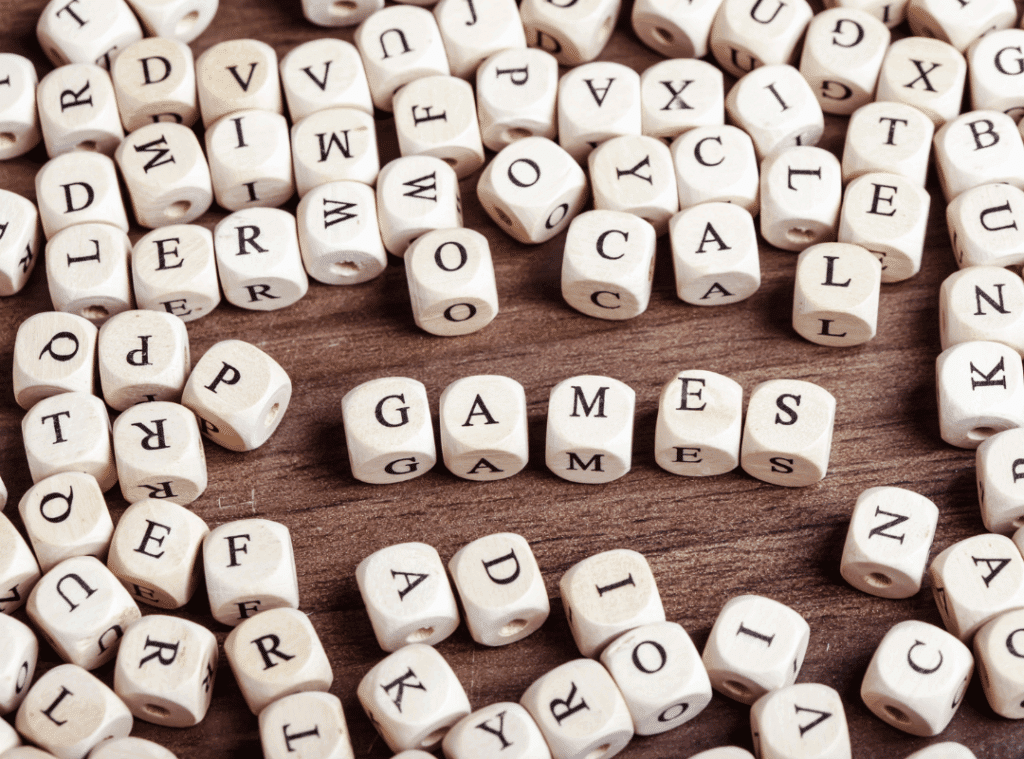
Puzzles remain one of the most popular free cognitive games for seniors. Jigsaw puzzles, crosswords, and word searches help improve focus and pattern recognition. Creative activities like crafts or storytelling also stimulate cognitive engagement.
Cognitive Games for Seniors: Online and Printable Options
Technology offers more online options for cognitive games for seniors. Many seniors enjoy interactive games that challenge memory and problem-solving skills.
Helpful resources include:
These platforms provide free cognitive games for seniors, including puzzles, logic games, and memory exercises.
Printable activities, such as cognitive games for seniors PDF and brain games for seniors free download with answers, also provide flexible options.
Popular Cognitive Game Types
|
Game Type |
Benefit |
Best For |
|
Memory Games |
Improve recall |
Daily mental exercise |
|
Logic Puzzles |
Strengthen reasoning |
Independent play |
|
Trivia Games |
Boost knowledge |
Group activities |
|
Word Games |
Improve language skills |
All levels |
Cognitive Games for Seniors With Dementia
Simple, familiar activities work best for cognitive games for seniors with dementia. The goal is engagement rather than difficulty.
Helpful options include:
- Matching card games
- Bingo
- Music-based activities
- Simple puzzles
- Storytelling exercises
These activities support emotional well-being and reduce frustration. Familiar games help seniors feel confident participating.
Families exploring memory-focused care can learn more about Memory Care at Arcadia Senior Living Louisville.
Why Consistency and Social Engagement Matter
Regular participation is key to cognitive health. Making brain exercises part of daily routines helps seniors maintain mental sharpness.
According to the National Institute on Aging, more than 6 million Americans age 65 and older may have Alzheimer’s disease, making cognitive engagement increasingly important for long-term brain health.
Simple daily activities such as puzzles, trivia, or conversation games can help seniors stay mentally active and socially connected.
Discover Engaging Cognitive Activities at Arcadia Senior Living Louisville
Staying mentally active becomes easier when cognitive engagement is part of everyday life. At Arcadia Senior Living Louisville, residents enjoy cognitive games for seniors, group activities, and brain-stimulating experiences designed to support memory, focus, and social connection. Located at 901 Blankenbaker Pkwy Louisville, KY 40243, the community provides a welcoming environment where seniors can stay engaged and connected while enjoying meaningful daily activities.
If you’re exploring options for yourself or a loved one, the best way to experience the difference is to schedule a tour and see the community firsthand. You can also call us to speak with a team member who can answer your questions or contact us to learn more about daily life, services, and availability. For additional planning support, you can also explore Arcadia’s Cost Comparison resource to better understand your options.
Frequently Asked Questions
What are cognitive games for seniors?
Cognitive games for seniors are activities designed to support memory, focus, problem-solving, and overall mental engagement. They can include puzzles, trivia, card games, word games, and digital brain exercises. Many older adults enjoy these activities because they are both stimulating and enjoyable. When practiced regularly, they can become a simple way to support daily brain health and emotional well-being.
What are the best cognitive games for seniors?
The best cognitive games for seniors are usually the ones that are easy to enjoy and repeat consistently. Popular options include crosswords, Sudoku, trivia, card games, matching activities, and simple strategy games. Some seniors prefer online cognitive games, while others enjoy printable activities or group-based games in a community setting. The best choice often depends on personal interest, comfort level, and whether the activity feels motivating rather than stressful.
What cognitive games help seniors with dementia?
Cognitive games for seniors with dementia work best when they are familiar, simple, and low-pressure. Matching games, bingo, music-based activities, storytelling prompts, and easy puzzles are often good choices because they encourage participation without creating frustration. These activities can help support emotional well-being, routine, and social interaction. In many cases, success comes from choosing activities that feel comforting and approachable rather than overly challenging.
Are there free cognitive games for seniors?
Yes, there are many free cognitive games for seniors available in both online and printable formats. Websites such as AARP Games offer accessible options for memory, logic, and wordplay, while other resources provide free downloads of brain games for seniors with answers and cognitive games for seniors in PDF format. Free options can be especially helpful for seniors who want to try different activities before settling into a routine. They also make it easier for families and caregivers to bring cognitive engagement into everyday life.