
Maintaining strength and mobility becomes more important as we age—and incorporating hamstring exercises for seniors is one of the best ways to support flexibility, prevent injuries, and improve day-to-day comfort. Whether you’re aiming to ease joint pain, reduce stiffness, or simply feel more confident on your feet, focusing on hamstring health can significantly enhance your overall well-being.
At Arcadia Senior Living Louisville, we understand that aging bodies need gentle yet effective routines. That’s why we’ve compiled this guide using hamstring exercises for seniors at home and techniques that are not only beginner-friendly but also designed to promote long-term mobility, balance, and independence. Let’s explore how you can safely stretch, strengthen, and stay active—starting today.
Why Hamstring Health Matters as We Age
How Strong Hamstrings Help You Stay Independent
Tight hamstrings can lead to discomfort in your lower back, reduced balance, and even a higher risk of falls. That’s why it’s essential to include hamstring exercises for seniors as part of your regular movement routine. Flexible hamstrings support healthy posture and joint alignment while promoting better walking ability and overall mobility.
According to the National Institute on Aging, stretching and strengthening your muscles, especially your hamstrings, can support healthy aging by preventing stiffness and improving functional movement.
Read more about how flexibility and stability work together in our guide to balance training for seniors.
Top Seated Hamstring Exercises for Seniors
If standing stretches feel too intense or risky, seated hamstring exercises for seniors offer a safe and supportive alternative. They’re great for beginners, those with limited mobility, or anyone recovering from injury.
Gentle Movements With Big Benefits
Incorporating seated stretches into your routine can provide a host of physical benefits. Here’s why they matter:
- Reduce lower back pain by relieving tension in tight hamstrings
- Promote proper posture through gentle hip and leg alignment
- Improve circulation and mobility from head to toe
- Foster independence by keeping you moving comfortably
You can enhance these effects by combining seated stretches with our engaging senior activities that keep your mind and body active.
Hamstring Stretches for Beginners
Easy and Effective Techniques to Try Today
You don’t need fancy gym equipment to get started. These hamstring stretches for beginners can be done with household items like chairs or towels. Try incorporating the following exercises into your day:
- Seated Forward Bend
Sit on a sturdy chair, straighten one leg out with heel on the floor, and lean forward gently until you feel a stretch. - Towel-Assisted Stretch
Lie down on your back, loop a towel around one foot, and raise your leg while keeping it straight. Pull gently toward you. - Wall Hamstring Stretch
Lie down facing a wall, raise one leg, and place it against the wall while the other remains flat on the floor. - Standing Stretch (With Support)
Place one foot on a low bench or chair. Keep your back straight and lean forward slightly to stretch.
These movements are ideal hamstring exercises at home, whether you’re just beginning or looking to enhance your current routine.
Create a Sustainable Hamstring Routine
Set Goals and Stay Consistent
One of the most effective ways to make lasting progress is by creating a regular schedule. Here are tips to build a sustainable program with hamstring exercises for seniors at home:
- Aim for 3–5 sessions a week, even if they’re short
- Alternate seated and standing exercises to challenge different muscle groups
- Track your progress in a journal or use printable exercise logs
- Adjust as needed based on comfort and range of motion
Check out our blog on independent living options that promote flexibility and freedom through personalized wellness routines.
Try Guided Video Sessions
Why Video Can Boost Your Form and Confidence
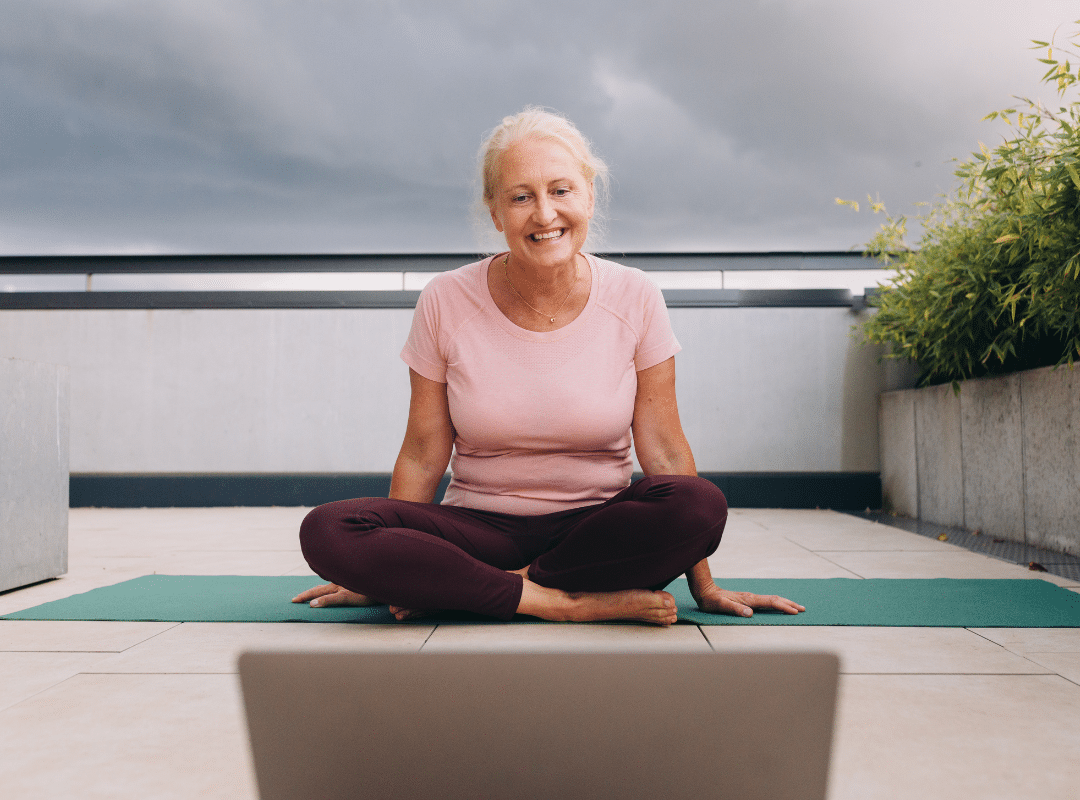
Using YouTube or guided video platforms can make it easier to learn and maintain proper form. Many seniors enjoy working out alongside a virtual trainer, especially when doing seated hamstring exercises for seniors or hamstring exercises at home.
Great options to try:
Benefits include:
- Real-time instructions to improve safety and results
- Modifications for all fitness levels
- Encouragement to stay engaged and consistent
- Sense of community, even from your living room
Easy Ways to Stay Motivated
Tools to Keep You Going
Here are some simple strategies that can help you stay consistent with your hamstring exercises at home:
- Join online senior fitness forums or local senior groups
- Celebrate small wins, like touching your toes or holding a stretch longer
- Involve a friend—accountability makes habits stick!
- Schedule a routine after meals or during TV time to build the habit
Staying active not only benefits your muscles but also supports social interaction. Explore our Louisville community gallery to see how daily movement and joyful living go hand in hand at Arcadia.
How These Stretches Support Whole-Body Health
More Than Just Hamstrings
It’s important to remember that hamstring stretches for beginners have benefits beyond flexibility. They can also:
- Improve joint function and reduce arthritis stiffness
- Support cardiovascular health when paired with light cardio
- Reduce stress and enhance mental well-being
Combined with a full-body senior wellness plan, these gentle movements can help you feel younger, stronger, and more mobile than ever.
Experience the Arcadia Difference
At Arcadia Senior Living Louisville, we believe aging should be empowering—not limiting. Our community supports holistic wellness through daily activities, guided exercise routines, nutritious meals, and a caring environment. From hamstring exercises for seniors at home to on-site fitness classes, our team is here to help you feel your best every step of the way.
Discover the joy of healthy aging and join us on the path to better mobility, confidence, and independence. To schedule a tour or learn more, click here or call us at 502-244-4244.
Keep Moving: Your Path to Lasting Mobility
Incorporating hamstring exercises for seniors into your daily life is more than a workout—it’s a wellness choice that supports longevity, comfort, and independence. Whether you’re doing hamstring exercises at home, following along with videos, or engaging in seated hamstring exercises for seniors, each stretch is a step toward better balance, posture, and confidence.
Stay consistent, stay positive, and remember: your mobility matters. And with the right resources and support—like those found at Arcadia Senior Living Louisville—you’re never stretching alone.
Frequently Asked Questions
How do you strengthen seated hamstrings for seniors?
Seated hamstring exercises for seniors are a safe and effective way to build strength without putting too much strain on the body. One common option is the seated hamstring curl, which can be done with or without resistance bands. Seniors can sit upright in a sturdy chair, slowly extending and curling the leg back to engage the hamstring. Practicing this movement regularly improves flexibility, stability, and muscle tone, which helps reduce fall risks. Consistency and proper posture are key to avoiding injury.
What is the most effective exercise for hamstrings?
The most effective hamstring exercises are those that target both strength and flexibility. Movements like bridges, hamstring curls, and gentle stretches are widely recommended for seniors because they are low-impact yet highly beneficial. Bridges, for example, strengthen not only the hamstrings but also the glutes and lower back, improving overall stability. Using light resistance bands or body weight ensures the exercise remains safe and manageable. The best approach combines strengthening with stretching to keep muscles balanced and pain-free.
What causes hamstring pain in the elderly?
Hamstring pain in the elderly is often caused by muscle tightness, weakness, or overuse. As people age, muscles naturally lose elasticity and strength, making them more prone to strains. Poor posture, arthritis, or a lack of regular stretching can also contribute to discomfort. In some cases, pain may be linked to issues in the lower back that radiate down to the hamstrings. Gentle exercises, stretching, and medical guidance can help manage and prevent recurring pain.
Does walking strengthen the hamstrings?
Walking can contribute to hamstring strength, but it is not the most direct way to target these muscles. While each step activates the hamstrings, the movement is generally low-intensity and better for endurance rather than building significant strength. To truly strengthen hamstrings, seniors should combine walking with focused exercises such as hamstring curls, bridges, or stretches. This combination improves both stamina and muscle tone. Walking remains an excellent complement to a balanced exercise routine for overall health.