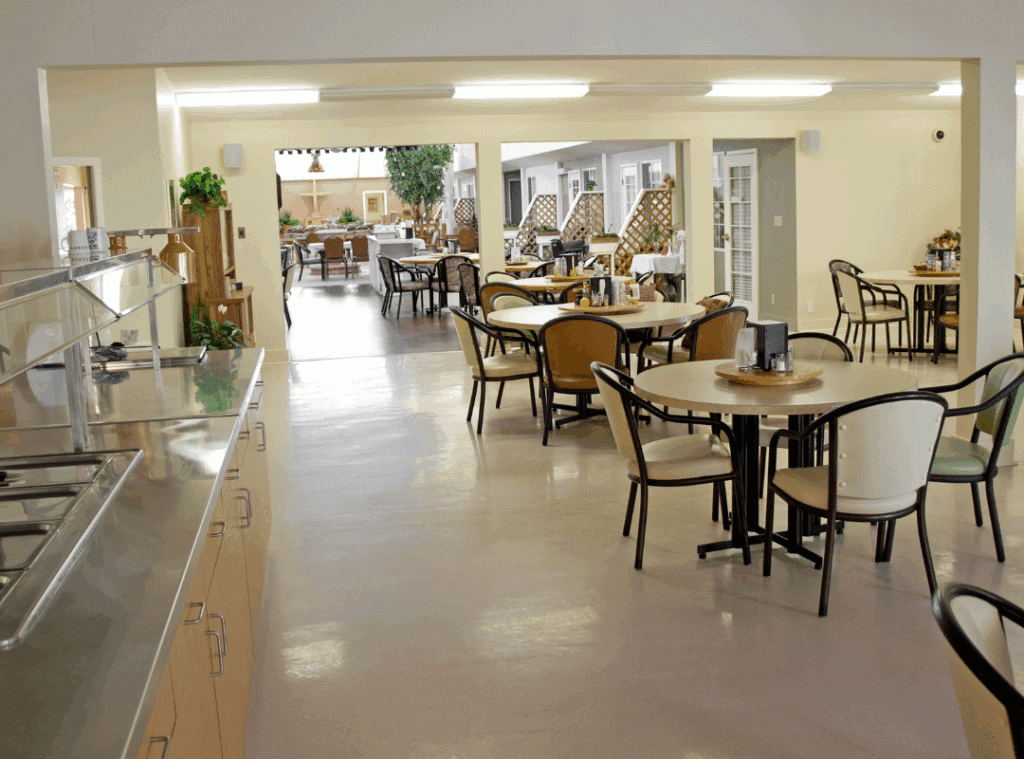
Senior living facilities in Louisville, KY, may be worth considering when changes in safety, mobility, memory, personal care, meals, or social connection begin making everyday life harder. The decision often becomes clearer when these concerns happen regularly, family support keeps increasing, or the current home no longer fits the older adult’s needs.
One difficult day does not always mean it is time to move. Look at the larger pattern, including what has changed, how often problems occur, and whether the person can still follow daily routines with confidence. Understanding the available care levels can help you decide whether senior living should become part of your planning.
What Are Senior Living Facilities?
Senior living facilities combine housing with services that support daily comfort, connection, and varying levels of independence. Depending on the community, these services may include meals, activities, personal assistance, memory support, temporary care, and access to shared amenities.
The right setting depends on what you or your loved one can manage independently and where additional support could improve daily life. Some people are looking for fewer household responsibilities, while others need consistent help with personal care or memory-related needs.
At Arcadia Senior Living Louisville, available options include Independent Living, Assisted Living, Memory Care, and Respite Care. You can also explore the Louisville community to see how its living options, amenities, and services work together.
Senior Living Facilities vs. 55+ Communities
A 55+ community and a senior living facility are not always the same. A 55+ community usually focuses on age-qualified housing and may provide shared amenities, but it may not offer personal assistance, memory support, or other care services.
Senior living communities may offer several levels of support in addition to housing and lifestyle features. This difference matters if an older adult’s needs are changing or if the family wants access to more support over time.
Signs It May Be Time to Consider Senior Living
It may be time to explore senior living when changes in daily life become frequent, difficult to manage, or concerning for the older adult and the people supporting them. Look for patterns across several areas instead of treating one isolated event as the deciding factor.
Changes in Safety and Mobility
Repeated falls, difficulty walking through the home, or growing uncertainty when using stairs can make everyday activities stressful. Falls deserve attention because more than one in four adults age 65 and older reports falling each year, according to the Centers for Disease Control and Prevention. A fall does not automatically mean someone needs senior living, but recurring concerns may show that the current environment is becoming harder to manage safely.
Difficulty Managing Daily Routines
Personal care and household routines can reveal whether more support is needed. Common concerns include:
- Missed or incorrectly managed medications
- Declining hygiene or difficulty dressing
- Irregular meals or changes in nutrition
- Growing reliance on family for everyday tasks
- Difficulty keeping up with the home
The key question is not whether family members can help occasionally. Consider whether the amount of help has continued to increase and whether the current arrangement remains realistic for everyone involved.
Memory or Judgment Changes
Forgetfulness becomes more concerning when it begins affecting familiar responsibilities. Missing appointments, becoming confused during normal routines, or struggling to manage medications may indicate that the person needs a more supportive environment.
Memory changes can have many causes, so they should not be used to make a diagnosis. They can, however, help families recognize when it may be useful to discuss changing needs with appropriate professionals and explore available support.
Isolation or Loss of Interest
Reduced social contact can affect how a person experiences daily life. Someone who once enjoyed hobbies, meals with others, or regular outings may begin spending most of the day alone or show less interest in familiar activities.
A senior living community may provide easier access to shared meals, common spaces, and opportunities for connection. The goal is not to keep someone busy all day. It is to create realistic opportunities for engagement without requiring them to arrange every activity alone.
If several of these signs feel familiar, a care assessment can help you consider which level of support may fit your current situation.
Which Type of Senior Living Support May Be Appropriate?
The right senior living option depends on current independence, personal care needs, memory-related concerns, and whether support is needed temporarily or on an ongoing basis. Understanding these differences can prevent you from choosing a community based only on appearance or amenities.
Independent Living
Independent Living may suit an older adult who manages personal care independently but wants fewer household responsibilities. It can provide a more convenient lifestyle with access to meals, shared spaces, amenities, and social opportunities.
This option may be helpful when home upkeep has become tiring or when living alone limits everyday connection. Learn more about Independent Living options and the type of lifestyle they can support.
Assisted Living
Assisted Living supports people who need help with certain daily activities while encouraging them to remain as independent as possible. Assistance may include bathing, dressing, and medication management.
The amount of support needed can differ from one person to another. Reviewing Assisted Living services can help you understand how personal assistance may fit into everyday routines.
Memory Care
Memory Care provides a more specialized setting for people living with Alzheimer’s disease, dementia, or other memory-related needs. Families may begin considering this option when confusion, forgetfulness, or changes in judgment make familiar routines difficult to manage.
The decision should reflect the individual’s current needs, daily challenges, and ability to navigate the existing home environment. Explore Memory Care support for more information about this care option.
Respite Care
Respite Care provides temporary senior care rather than a permanent living arrangement. It may be appropriate when a family caregiver needs a short break, an older adult temporarily needs more support, or the family wants to experience community living for a limited period.
Because the need is temporary, respite care can also help families evaluate what kind of support may be useful in the future. The Respite Care program provides more details about this short-term option.

Senior Living Options at a Glance
This comparison can help you identify which type of senior care most closely reflects the person’s current needs.
|
Senior Living Option |
May Be Appropriate When |
Type of Support |
|
Independent Living |
You remain largely independent but want fewer household responsibilities and more opportunities for connection |
Lifestyle conveniences and community amenities |
|
Assisted Living |
You need help with some daily activities |
Help with selected daily activities |
|
Memory Care |
You need a setting designed around memory-related concerns |
Specialized memory-related support |
|
Respite Care |
You need temporary support, or a caregiver needs short-term relief |
Temporary community support |
This table is a starting point, not a substitute for an individual assessment. A person’s needs may also change, so ask each community how it evaluates support requirements and responds when additional care becomes necessary.
How Senior Living Can Support Independence and Daily Life
Senior living can support independence by reducing the responsibilities that make daily life harder. The right environment allows an older adult to use their time and energy for the routines, interests, and relationships that matter to them.
Daily Convenience
Restaurant-style meals can reduce the effort involved in grocery shopping, cooking, and cleaning up. Laundry services and an on-site Salon & Barber can also make routine tasks easier to manage.
A Bistro offers another place to enjoy a meal or spend time with others. These conveniences matter most when they solve real challenges or fit the person’s preferred way of living.
Wellness and Movement
Access to a Fitness Center and Walking Path can make movement easier to include in a normal routine. The value of these amenities depends on whether the older adult enjoys using them and feels comfortable doing so.
Arcadia Senior Living Louisville also offers EmpowerMe Wellness, which provides customized on-site physical, occupational, and speech therapy services. These services should be considered according to individual needs and do not guarantee a specific health outcome.
Social and Personal Space
Shared spaces can support both interaction and quiet time. A Lounge and Porch may provide comfortable places to talk with others, while a Library may suit someone who prefers reading or a calmer setting.
An amenity matters most when it fits the way you or your loved one wants to live. Would you enjoy shared meals? Would you use a walking path? Do you prefer active common areas, quiet spaces, or a balance of both? The Lifestyle Assessment can help you think through these preferences.
How to Discuss Senior Living With an Older Adult
A senior living conversation is often more productive when it begins with the older adult’s concerns and priorities. You may see a need for more support while they are focused on maintaining familiar routines, privacy, or control over their decisions.
Begin Before a Crisis
Starting the conversation early gives everyone more time to ask questions, visit communities, and compare options. A rushed decision after a fall, sudden change, or caregiver burnout may leave fewer opportunities to consider personal preferences.
Early planning does not commit anyone to moving. It creates space to understand what support is available before the need becomes urgent.
Include the Older Adult in the Decision
Invite the person to explain what matters most to them. They may care about apartment layout, meals, social opportunities, privacy, location, or staying involved in familiar interests.
Tour communities together when possible and allow time for questions. Participation can help the decision feel collaborative instead of something being decided for them.
Focus on What Support Could Make Easier
Begin with the parts of daily life that have become tiring or stressful. Discuss how help with meals, home maintenance, medication management, or personal care could make routines more manageable.
This approach keeps the conversation connected to real needs. It also helps the older adult understand that accepting support does not mean giving up every part of their independence.
Make the New Space Familiar
Familiar furniture, photographs, artwork, and personal items can make a new residence feel more comfortable. Discuss what the person would want to bring and how they would arrange the space.
For more guidance on approaching this conversation, read When to Move to Assisted Living: Tips for Starting the Tough Talk.
What to Look for When Comparing Louisville Senior Living Facilities
The best senior living facility is one that fits the person’s care needs, daily preferences, and expectations for the future. A polished building may create a strong first impression, but a useful comparison goes deeper than appearance.
Does the Community Offer the Right Care Level?
Begin by confirming that the available services match the person’s current needs. Arcadia Senior Living Louisville offers Independent Living, Assisted Living, Memory Care, and Respite Care.
Ask how the community determines the appropriate level of support. A clear assessment process can help you understand why a particular option is being recommended.
How Are Changing Needs Handled?
An older adult may need one type of support now and a different level later. Ask what happens if mobility, memory, or personal care needs change.
Do not assume that every community can accommodate every future situation. Clear answers will help you understand what options may be available and when another arrangement could become necessary.
What Is Included in the Monthly Rate?
Ask for a clear explanation of housing, meals, amenities, personal support, and levels of care. Find out which services are included and which may involve additional charges.
This information gives you a more useful comparison than looking at the starting rate alone. Two communities with similar base prices may include different services.
Does the Environment Match the Person’s Lifestyle?
Consider what a normal day might feel like. Look at dining choices, shared spaces, opportunities for movement, quiet areas, and everyday conveniences.
The most useful amenities are those the person is likely to use. A long list of features has limited value if it does not reflect their habits, interests, or comfort level.
What Do You Notice During a Tour?
A tour allows you to assess details that are difficult to understand online. Pay attention to whether the environment is comfortable, common areas are easy to navigate, and questions receive clear answers.
Notice how team members communicate and whether the available spaces fit the person’s needs. A tour can help you explore the setting and discuss your questions in person.
What Does Senior Living Cost in Louisville, KY?
Senior living costs depend on the care level, accommodation, included services, and additional support needs. A starting price can help with initial planning, but it does not show the full cost for every person.
At Arcadia Senior Living Louisville, Assisted Living starts at $2,735, with levels of care added. Memory Care starts at $6,545. Current availability, services, and personalized costs should be confirmed directly with the community.
Compare Services, Not Only the Starting Rate
A meaningful comparison looks at both price and value. Consider what is included in the monthly rate, which daily responsibilities are reduced, and whether the community provides the support the person actually needs.
Medicare generally does not cover nonmedical long-term care, including custodial assistance in an assisted living facility, according to Medicare’s long-term care guidance. Coverage can differ for medical services, so families should review their specific benefits and circumstances.
Questions to Ask About Pricing
Before comparing communities, ask:
- What is included in the starting rate?
- How are levels of care determined?
- Which services have additional charges?
- How may costs change if care needs increase?
- Which meals, amenities, and wellness services are included?
You can review floor plans and pricing for available options. The cost comparison tool can also help you organize the financial factors involved in your decision.
A Simple Framework for Deciding Whether It Is Time
A senior living decision becomes easier to evaluate when you consider needs, frequency, support, and fit together.
Needs refer to the parts of daily life that have become difficult, such as personal care, meals, medications, mobility, or household responsibilities. Frequency asks whether concerns are isolated or now happen regularly. Support considers how much help family members or others are already providing. Fit looks at whether the current home still supports safety, independence, routine, and social connection.
Senior living may be appropriate when daily challenges occur more often, family support continues to increase, and the current environment no longer fits the person’s care or lifestyle needs. If you are still uncertain, a care assessment can help you organize these needs and consider the next step.
Explore Senior Living Options in Louisville With Confidence
Recognizing the right time for senior living usually involves more than one event. Look at patterns in daily routines, the level of support already being provided, and whether the current home continues to fit the older adult’s safety, independence, and preferred way of life.
Arcadia Senior Living Louisville is located at 903 Blankenbaker Pkwy in Louisville, Kentucky. To see whether its Independent Living, Assisted Living, Memory Care, or Respite Care options may fit your needs, Schedule a Tour, Contact Us with your questions, and speak with the community team. If you are still comparing support options, the Care Assessment can help you consider which level of care may fit.
Frequently Asked Questions
What Is the Average Monthly Cost of a Senior Living Facility?
The monthly cost of a senior living facility varies based on the care level, residence, services, and support required. At Arcadia Senior Living Louisville, Assisted Living starts at $2,735, with levels of care added, while Memory Care starts at $6,545. A starting rate may not include every service a person needs. Ask for a personalized explanation of included services and possible additional charges before comparing options.
What Is the 80/20 Rule for 55+ Communities?
The 80/20 rule means that at least 80% of occupied units must have at least one resident who is age 55 or older for a community to qualify for the federal 55+ housing exemption. The community must also publish and follow policies showing that it intends to operate as housing for people age 55 and older. It must follow federal requirements for verifying residents’ ages. The rule does not mean every 55+ community must reserve exactly 20% of its homes for younger residents, according to the U.S. Department of Housing and Urban Development.
What Is the Downside of 55+ Communities?
A possible downside of a 55+ community is that it may provide housing and lifestyle amenities without offering personal care or memory support. This can become a concern if an older adult’s needs change and the community cannot provide additional assistance. Rules, amenities, services, and age policies can also differ between communities. Compare what is offered with the person’s current needs and likely future support requirements before deciding.