For seniors living independently, maintaining autonomy does not have to mean doing everything alone. Independence can mean making your own choices, keeping meaningful routines, staying connected to people and activities you enjoy, and accepting practical help when it makes everyday life easier.
The goal is not to follow someone else’s definition of independence. It is to create a lifestyle that supports personal choice, comfort, connection, and the ability to spend time on what matters most.
What Does Living Independently Mean for Older Adults?
Living independently can look different from one person to another.
For some older adults, it means continuing to live in a longtime home. For others, it may mean downsizing, moving closer to family, or eventually choosing a senior living community that reduces household responsibilities.
Independence is not determined by whether someone lives alone or accepts help. A person can remain highly self-directed while getting assistance with transportation, housekeeping, meals, home maintenance, technology, or other selected tasks.
A more useful way to think about independence is to ask: Do I have meaningful choices about how I spend my time and manage everyday life?
That perspective makes it easier to focus on the routines, relationships, environment, and support that help independence continue.
Build Daily Routines Around What Matters to You
A comfortable routine can make everyday responsibilities easier to manage while leaving room for the things you enjoy.
Start with the parts of the day that matter most. These might include meals, errands, appointments, household tasks, exercise, hobbies, time outdoors, conversations with family, or quiet time.
A practical routine does not need to schedule every hour. Instead, it can create enough structure that important tasks are handled without making the day feel rigid.
Consider questions such as:
- Which daily responsibilities are easy for me to manage?
- Which tasks take more time or energy than I would like?
- What activities do I want to make more time for?
- Are there errands or responsibilities someone else could occasionally help with?
- Which parts of my current routine make me feel most independent?
- Is there something I have stopped doing because it has become inconvenient?
Small adjustments can sometimes make a meaningful difference. Simplifying errands, arranging occasional transportation, moving frequently used items to easier-to-reach places, or asking for help with a frustrating household task can preserve energy for activities you value more.
Stay Engaged With Hobbies and Meaningful Activities
Independent living is not only about managing responsibilities. It is also about having opportunities to enjoy your time.
Hobbies can provide structure, enjoyment, creativity, and opportunities to connect with other people.
Activities might include:
- Reading or joining a book group
- Crosswords, Sudoku, cards, or board games
- Gardening
- Painting, drawing, or crafts
- Photography
- Writing or journaling
- Music
- Cooking or baking
- Walking with a friend or group
- Volunteering
- Learning a new skill
- Revisiting an activity you previously enjoyed
Choose activities because they are interesting or meaningful to you, not because you feel obligated to stay busy.
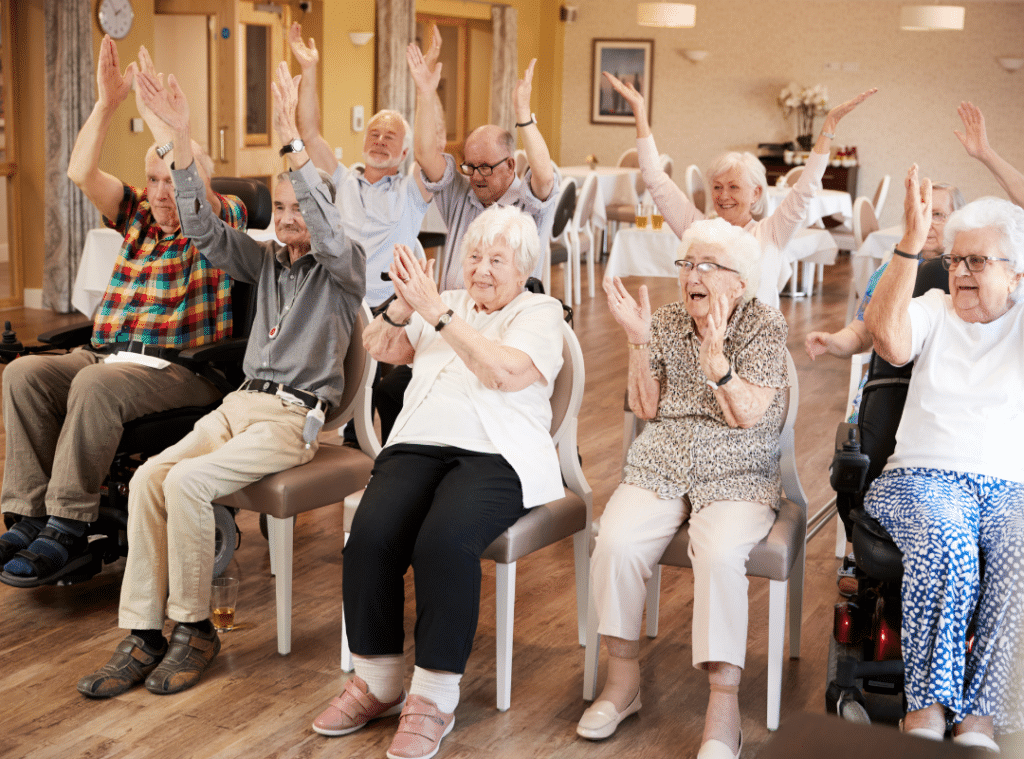
Some people enjoy hobbies independently. Others prefer activities that provide regular opportunities to interact with friends, neighbors, family members, or people with similar interests.
If games are something you enjoy, explore these easy games and activities for older adults for additional ideas.
The important part is finding activities you genuinely look forward to and can realistically make part of your routine.
Make Social Connection Part of Everyday Life
Living independently and living alone are not the same thing. Someone can live alone and maintain a strong network of relationships, while another person can be surrounded by people and still feel disconnected.
Regular connection can take many forms. It might mean having lunch with a friend, talking with family, meeting neighbors, participating in a faith community, joining a club, volunteering, attending community events, or scheduling regular phone or video conversations.
Social connection is also relevant to healthy aging. The National Institute on Aging explains that loneliness and social isolation can affect older adults’ health and offers practical ideas for staying connected.
The goal is not to fill every day with social activities. Instead, consider whether your current routine gives you the amount and type of connection you want.
If it does not, start with something manageable. Call someone you enjoy talking with, reconnect with an old hobby, introduce yourself to a neighbor, join an activity that interests you, or set a recurring time to see family or friends.
Technology can also help maintain relationships across distance. Phone calls, text messages, email, and video conversations can complement in-person relationships when getting together regularly is difficult.
Create a Home Environment That Supports Independence
The physical environment can either make everyday routines easier or create unnecessary obstacles.
Start with the areas you use most often. Consider whether you can move comfortably through the home and reach frequently used items without unnecessary difficulty.
Practical home-safety considerations can include:
- Keeping commonly used pathways clear of clutter
- Providing adequate lighting in rooms, hallways, and stairways
- Addressing loose rugs or other potential tripping hazards
- Keeping frequently used items within convenient reach
- Using appropriate handrails on stairs
- Considering grab bars in bathroom areas where additional support may be helpful
The CDC’s guidance for older adults similarly recommends addressing trip hazards, improving lighting, and using grab bars and stair handrails as part of making a home safer.
Home changes should reflect the individual and the space. If you have concerns about falling, mobility, or whether a particular modification is appropriate for you, discuss those concerns with a qualified healthcare professional rather than relying on a general checklist alone.
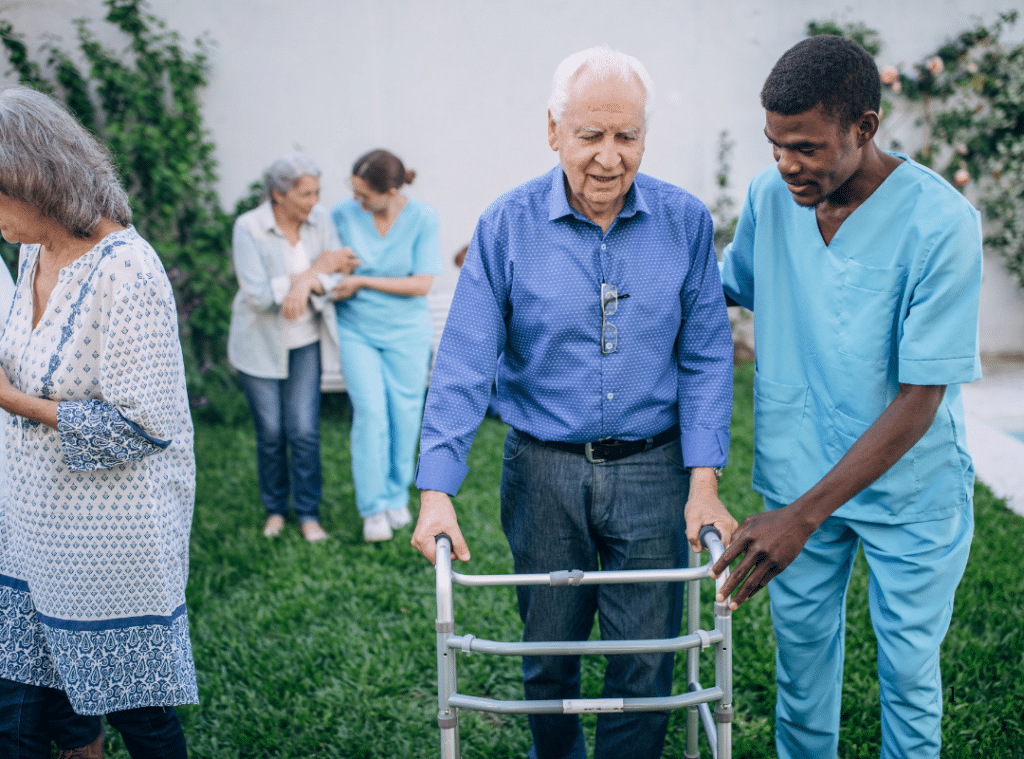
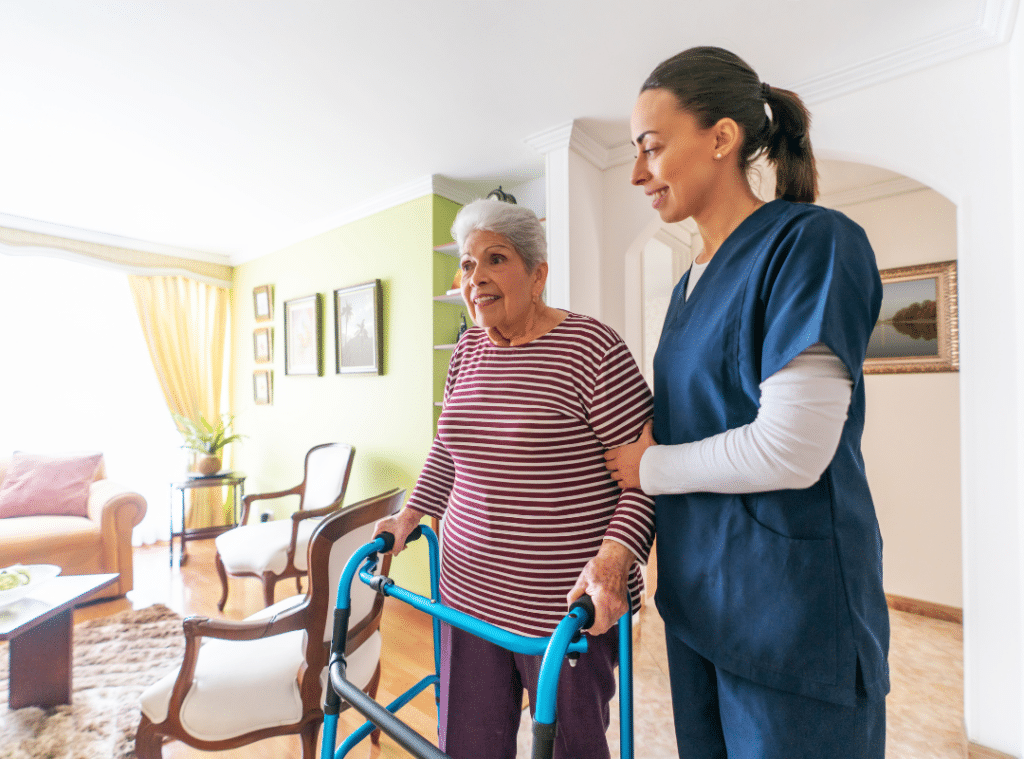
Accept Help Without Giving Up Independence
One of the most useful shifts in thinking about independence is recognizing that accepting help does not automatically mean losing control.
In some situations, getting help with selected responsibilities can make it easier to remain independent in the areas that matter most.
For example, someone might choose help with:
- Transportation
- Grocery shopping
- Housekeeping
- Yardwork or home maintenance
- Meal preparation
- Technology
- Organizing appointments
- Other time-consuming household tasks
The key is choice.
Instead of asking, “Can I still do this myself?” it may be more useful to ask, “Do I still want to spend my time and energy doing this myself?”
Those are different questions.
Support can be adjusted as circumstances change. What works today may be different from what works several years from now, and asking for occasional help does not determine where someone must live or how independent they are.
How Families Can Support Independence Respectfully
Family members often want to help, but support works best when the older adult remains part of the decisions affecting everyday life.
Start by asking rather than assuming.
Instead of immediately taking over a responsibility, ask whether help would be useful and what kind of help the person would prefer.
Respect established routines whenever possible. A task that seems inefficient to someone else may be part of how an older adult prefers to organize the day.
Families can also offer specific assistance rather than a general “Let me know if you need anything.”
For example:
- “Would you like me to drive you to that appointment?”
- “Would it help if I picked up groceries this week?”
- “Do you want help looking at options for that home repair?”
- “Would you like me to come with you when you visit that community?”
Regular communication can also make it easier to notice changing preferences or challenges without turning every conversation into an assessment.
Supporting independence should be collaborative. The goal is to make useful help available while respecting the person’s preferences, privacy, and ability to make decisions.
A Practical Checklist for Supporting an Independent Lifestyle
This checklist is not a medical assessment or a test of whether someone should live independently. It is simply a way to think about how well everyday life currently supports personal independence.
|
Lifestyle Question |
What to Consider |
|
Are daily routines manageable? |
Consider whether everyday responsibilities still fit comfortably into the week. |
|
Are meals and household needs addressed? |
Think about whether routine household tasks are manageable or whether selected help would be useful. |
|
Does the home support everyday movement? |
Look at lighting, pathways, stairs, bathrooms, and commonly used areas. |
|
Are meaningful activities part of the week? |
Consider hobbies, interests, learning, volunteering, or other enjoyable activities. |
|
Are social connections being maintained? |
Think about the amount and type of interaction you actually want. |
|
Is transportation manageable? |
Consider driving, family assistance, community transportation, or other options you use. |
|
Is help available when wanted or needed? |
Identify people or services you would feel comfortable contacting for practical support. |
|
Are changing circumstances discussed? |
Revisit routines and support when something becomes more difficult or priorities change. |
There is no perfect score.
The purpose is to identify what is working well and where a practical adjustment could make everyday life easier.
When a Senior Living Community Becomes Part of the Conversation
Living independently does not require remaining in the same home forever.
Some older adults remain independent but decide they would prefer fewer household responsibilities, easier access to amenities, or more opportunities to interact with other people.
That is a different decision from simply asking whether someone can continue living independently.
If you are beginning to consider whether a community-based lifestyle could match your priorities, our guide to whether Independent Living in Kentucky may be right for your needs can help you evaluate that decision more closely.
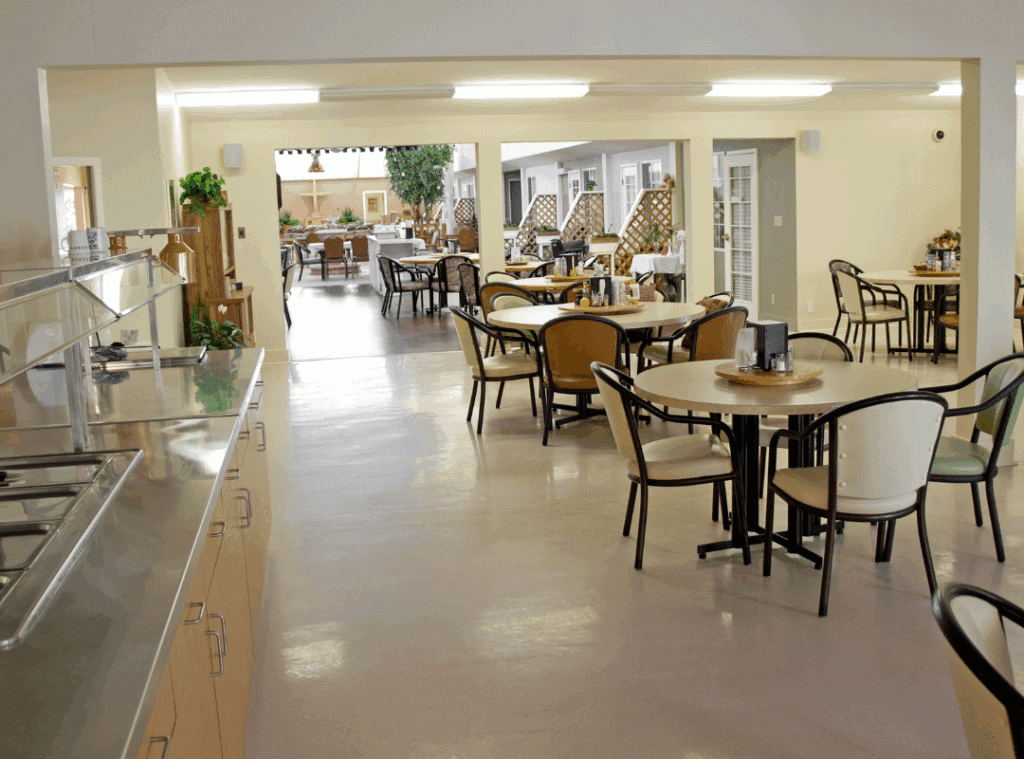
For those ready to explore a specific option, Independent Living at Arcadia Senior Living Louisville offers a community setting with amenities that include a fitness center, bistro, lounge, salon and barber, library, walking path, laundry, restaurant-style meals, and a porch.
The goal is not to give up independence. It is to consider which living environment best supports the routines, relationships, activities, and level of autonomy you value.
If you would like to see the community and ask questions in person, you can schedule a personalized tour.
Frequently Asked Questions
How can seniors maintain independence as they age?
Maintaining independence can involve creating manageable daily routines, staying socially connected, participating in meaningful activities, keeping the home environment practical, and accepting selected help when it makes everyday life easier. Independence is about maintaining meaningful choice and autonomy, not necessarily doing every task without assistance.
Does living independently mean living alone?
No. Living independently and living alone are different concepts. Older adults may live alone, with a spouse or family member, or in a senior living community while remaining highly independent. The more important consideration is how much choice and control a person has over everyday routines and decisions.
How can families support an older adult’s independence?
Families can start by asking what kind of support is wanted rather than automatically taking over responsibilities. Offering specific help, respecting routines and preferences, maintaining regular communication, and involving the older adult in decisions can provide support while preserving autonomy.
What daily habits can help seniors stay active and connected?
Helpful habits can include maintaining regular routines, making time for enjoyable activities, staying in contact with family and friends, participating in hobbies or community activities, and asking for practical help when a responsibility becomes unnecessarily difficult. The right routine depends on the individual’s interests, abilities, and preferences.