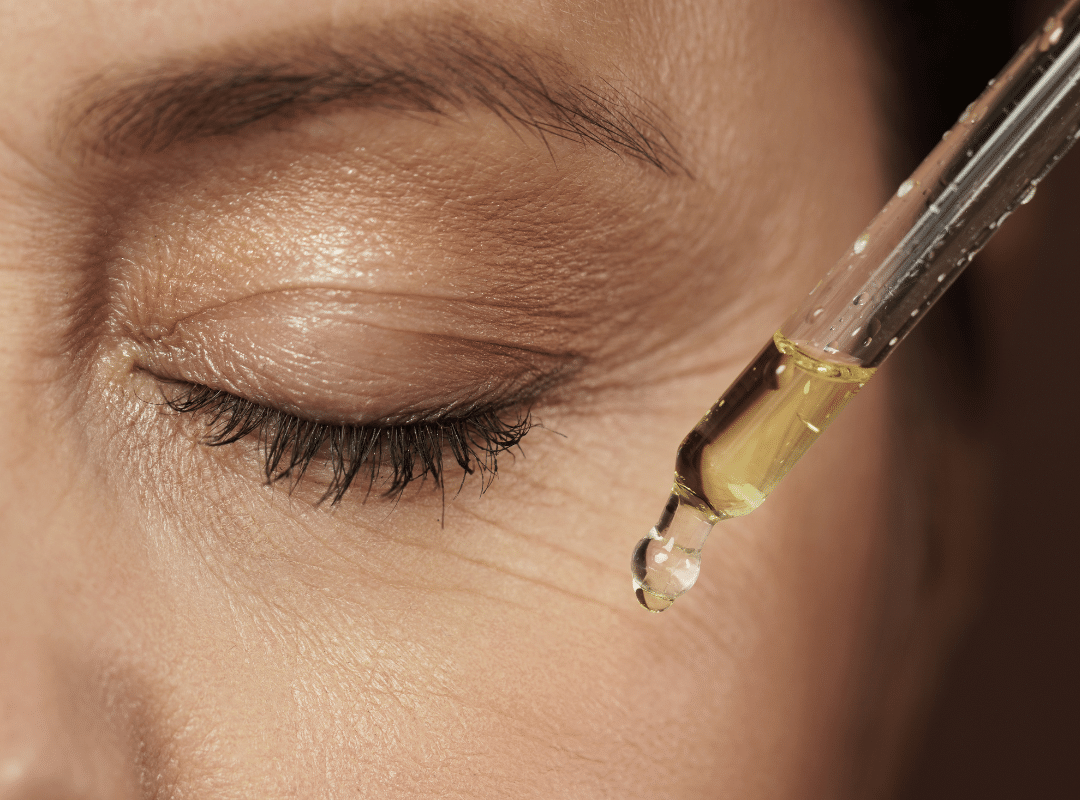
How to reverse aging eyes depends on whether you want to improve the skin around your eyes, correct changes in eyesight, or protect your vision from further decline. You cannot completely return your eyes to a younger state, but you may soften visible signs, correct some focusing problems, and support long-term eye health.
The first step is knowing what kind of change you are experiencing. Fine lines and puffiness need a different approach from blurry near vision, glare, or sudden vision loss. Understanding that difference can help you choose realistic home care, professional cosmetic treatment, corrective lenses, or an eye examination.
Can You Really Reverse Aging Eyes?
Aging eyes cannot usually be restored completely to a younger state. Cosmetic changes may become less noticeable with consistent skincare or professional treatments, while some vision problems can be corrected with glasses, contact lenses, procedures, or other appropriate care.
The phrase “reversing aging eyes” can refer to several different concerns:
- Fine lines, dark circles, puffiness, or sagging skin
- Difficulty focusing on nearby objects
- Dryness, glare sensitivity, or eye fatigue
- Vision loss connected to an eye condition
Natural habits can support your skin, comfort, and overall eye health, but they cannot reverse every form of eye damage. The National Eye Institute’s vision and aging guidance explains that the risk of conditions such as cataracts, glaucoma, and age-related macular degeneration increases with age, but vision loss should not be dismissed as an unavoidable part of getting older.
What Are the Most Common Signs of Aging Eyes?
Signs of aging eyes may appear in the tissues around your eyes, your eyesight, or both. Recognizing where a change is happening helps you respond more appropriately.
Changes Around the Eye Area
The skin around your eyes is thin and delicate, so visible aging often appears there early. Common changes include crow’s feet, fine lines, dark circles, puffiness, under-eye bags, thinning skin, and drooping eyelids.
These changes may be influenced by reduced collagen and skin elasticity, genetics, sun exposure, facial movement, smoking, sleep patterns, and general health. They may affect how rested or alert you look, but they do not necessarily mean your vision is changing.
Age-Related Changes in Vision
Your eyes may gradually need more light, more time to adjust between bright and dark spaces, or greater effort to focus on close objects. Small print may become harder to read, glare may feel stronger, and colors or contrast may seem less clear.
The American Academy of Ophthalmology’s explanation of presbyopia describes how the eye’s lens becomes less flexible with age, making nearby objects harder to focus on. This common age-related change is different from an eye disease that damages vision.
Sudden, severe, painful, or one-sided changes should not be dismissed as routine aging.
Aging Around the Eyes vs. Aging Eyesight
Cosmetic aging affects the appearance of the surrounding skin and tissues, while aging eyesight affects how clearly or comfortably you see. The distinction matters because the same remedy cannot address both.
|
Concern |
Common Examples |
Can It Improve? |
Appropriate Next Step |
|
Cosmetic changes |
Fine lines, puffiness, dark circles |
Their appearance may improve |
Skincare, healthy habits, or a professional cosmetic consultation |
|
Near-vision changes |
Difficulty reading close text |
Often correctable, but not naturally reversed |
Eye examination and appropriate corrective lenses |
|
Eye strain |
Tired, dry, or uncomfortable eyes |
May improve when the cause is addressed |
Better lighting, screen breaks, blinking, or evaluation |
|
Progressive vision changes |
Increasing blur, glare, or reduced clarity |
Depends on the cause |
Professional eye evaluation |
|
Sudden vision changes |
Flashes, severe blur, pain, or vision loss |
Should not be managed at home |
Prompt medical evaluation |
This comparison can help you avoid using cosmetic advice for a vision problem or expecting glasses to change the appearance of the skin around your eyes.
What Causes Aging Changes in the Eyes?
Aging changes in and around the eyes come from several different processes. Skin may become thinner and less elastic, eyelid tissues may shift, and the natural lens inside the eye may become less flexible.
Genetics, long-term sun exposure, smoking, sleep patterns, repeated squinting, and existing health or eye conditions may also influence how changes develop. Identifying the likely cause matters because dark circles, dry eyes, near-vision difficulty, and sudden vision loss require different next steps. A lifestyle change may ease temporary puffiness, but it cannot identify or treat an eye disease.
How to Reverse Aging Eyes Naturally: What May Help?
Natural strategies may support the appearance of the eye area, reduce temporary discomfort, and contribute to general eye health. They work best as part of consistent self-care and regular professional eye care.
Protect Your Eyes From UV Exposure
UV protection supports both the delicate skin around your eyes and the health of your eyes themselves. Wear sunglasses that provide suitable UV protection when outdoors, and use sunscreen carefully around the eye area according to the product directions.
Sun protection is most effective when it becomes a regular habit, not something you use only on very bright days.
Support Eye Health Through Daily Nutrition
A varied diet can provide nutrients that support general eye and skin health. Foods such as dark leafy greens, berries, citrus fruits, nuts, seeds, avocados, and fish can contribute antioxidants, healthy fats, and vitamins.
Water also supports normal hydration, although drinking more water will not erase wrinkles or reverse vision loss. Nutrition should support your overall wellness while eye examinations and appropriate treatment address changes in eyesight.
Prioritize Sleep, Movement, and Smoking Avoidance
Consistent sleep may lessen the tired appearance associated with temporary puffiness or dark circles. Regular movement supports general circulation, strength, mood, and wellness, while avoiding smoking reduces exposure to a major source of premature skin aging and broader health risks.
These habits can support how you feel and function each day, even though they cannot reverse every age-related change.
Use Gentle Care Around the Eyes
Gentle habits can protect delicate skin and provide temporary relief when the eye area feels puffy. Avoid pulling or rubbing the area, apply skincare with light pressure, and use a cool compress if it feels soothing.
Some people also sleep with their head slightly elevated when morning puffiness is a concern. Oils, massage, cucumber slices, and similar remedies may feel refreshing, but they should not be treated as methods for reversing eye damage.
Can Exercises Improve Near Vision Naturally?
Eye exercises may ease fatigue or focusing discomfort, but they are not a proven way to permanently reverse common age-related near-vision changes. Presbyopia develops as the lens becomes less flexible, so practicing eye movements cannot restore that flexibility.
Looking away from close work regularly, blinking during screen use, and reading in adequate light can give your eyes a break from sustained focusing. Shifting your gaze between nearby and distant objects may also feel more comfortable after long periods of close work.
These habits may ease strain, but an eye examination can identify the cause of blurry near vision and show whether reading glasses or another form of correction may help. Certain diagnosed focusing or coordination problems may involve supervised exercises, which is different from using general eye exercises to reverse aging eyesight.
Can You Improve Vision to 20/20 in Seven Days?
No simple trick can guarantee 20/20 vision in seven days. Vision depends on the structure of your eyes and the cause of any blur, focusing difficulty, or loss of sight.
Glasses or contact lenses may improve visual clarity quickly when an uncorrected prescription is responsible. Other changes may require medical treatment, surgery, monitoring, or vision rehabilitation. Foods, supplements, online exercises, and home remedies cannot promise the same result for every person.
Before trusting a dramatic vision claim, ask three questions:
- Does it promise the same result for everyone?
- Does it claim to replace an eye examination or treatment?
- Does it guarantee a major improvement within a very short time?
Claims with those warning signs deserve caution. A qualified eye doctor can identify the cause of a vision change and explain which improvements are realistic.
Professional Options for Changes Around the Eyes
Professional cosmetic treatments may reduce wrinkles, hollowness, discoloration, puffiness, or sagging around the eyes. These procedures address appearance and do not correct eyesight.
Non-Surgical Cosmetic Treatments
Non-surgical options may include dermal fillers, laser resurfacing, microneedling, and chemical peels. Their suitability depends on your skin, health, goals, and the specific concern being treated.
Results, risks, recovery, and maintenance needs vary. Discuss treatment with a licensed medical professional experienced in procedures around the eyes before choosing an option.
Surgical Options
Blepharoplasty removes or adjusts excess eyelid skin and fat. Upper blepharoplasty focuses on the upper lids, lower blepharoplasty addresses the lower eye area, and a brow lift raises sagging brow tissues.
These procedures may change eyelid or brow appearance. In some cases, excess upper-eyelid tissue can interfere with vision, but only a licensed medical professional can determine whether surgery is medically or cosmetically appropriate.
How Older Adults Can Help Prevent Vision Loss With Age
You cannot prevent every age-related eye condition, but regular care and early attention can help protect vision. Many eye diseases can develop without noticeable early symptoms, which is why comprehensive eye examinations matter.
According to CDC vision-loss data, about 93 million U.S. adults were considered at high risk for vision loss in 2017. Among those at high risk, about 40% had not received an eye examination during the previous year.
Practical ways to support vision include:
- Attend recommended eye examinations
- Wear prescribed glasses or corrective devices
- Protect your eyes from UV exposure
- Use bright, even lighting for daily activities
- Respond to new changes instead of assuming they are normal
Vision can affect reading, mobility, medication routines, recognizing faces, and moving through unfamiliar spaces. Keeping walking areas clear and well lit can also make daily movement easier when contrast or depth perception changes.
When Should Vision Changes Be Evaluated?
New or worsening vision changes should be evaluated when they affect clarity, comfort, or daily activities. Routine changes, such as gradually needing reading glasses, still deserve discussion during regular eye care.
Seek timely professional guidance for increasing blur, worsening glare, double vision, difficulty reading familiar material, or changes that interfere with walking, driving, medication use, or other normal tasks.
Sudden vision loss, eye pain, flashes of light, a sudden increase in floating spots, or a major change in one eye may require prompt attention. Do not rely on home remedies or wait for these symptoms to improve on their own.
Support Healthy Aging and Everyday Independence
Healthy aging does not mean ignoring changes in your eyes. It means protecting your vision, using realistic strategies for cosmetic concerns, and seeking an evaluation when a change affects your comfort, confidence, or daily independence. The Lifestyle Assessment can also help you consider how your routines, preferences, and support needs may fit into community living.
At Arcadia Senior Living Louisville, older adults can enjoy Independent Living, Assisted Living, Memory Care, and Respite Care in a setting with amenities such as a fitness center, walking path, library, salon and barber, and restaurant-style meals. To learn whether the community fits your needs, you can schedule a tour, contact the team, or call us with your questions.
Frequently Asked Questions
What are the most common signs of aging eyes?
The most common signs include fine lines, puffiness, dark circles, thinning skin, and drooping eyelids. Eyesight may also change, making close reading, low-light vision, or glare adjustment more difficult. Some changes are cosmetic, while others affect how clearly you see. Sudden or severe symptoms should be evaluated instead of being treated as normal aging.
Can age-related vision changes be reversed naturally?
Most common age-related vision changes cannot be completely reversed naturally. Healthy food, UV protection, sleep, movement, and regular eye care may help support comfort and long-term eye health. They cannot restore lens flexibility or cure an eye disease. Corrective lenses or professional treatment may be needed, depending on the cause.
Which exercises may help improve near vision naturally?
Focusing breaks, frequent blinking, and shifting your gaze between near and distant objects may reduce strain. Reading with good lighting and taking regular breaks from close work may also improve comfort. These habits do not permanently reverse presbyopia or guarantee clearer near vision. An eye examination can determine whether you need reading glasses or another form of correction.
How can older adults prevent vision loss with age?
Older adults can help protect their vision through regular eye examinations, UV protection, healthy routines, and prompt attention to new symptoms. Good lighting and the correct glasses can also make reading and movement safer. Vision loss is not an unavoidable result of getting older, although the risk of eye disease increases with age. Early detection may allow a condition to be treated or managed sooner.
Is it really possible to improve vision to 20/20 in seven days?
No exercise, food, supplement, or simple trick can guarantee 20/20 vision in seven days. Glasses or contact lenses may provide fast improvement when an uncorrected prescription causes blur. Other vision problems need different forms of care and may not be fully correctable. An eye doctor can identify the cause and explain what level of improvement is realistic.
When should changes in an older adult’s vision be evaluated by an eye doctor?
Vision changes should be evaluated when they are new, worsening, painful, one-sided, or affecting normal activities. Increasing blur, glare, double vision, or difficulty reading also deserves professional attention. Sudden vision loss, flashes, severe pain, or a sudden increase in floating spots may require prompt care. Early evaluation helps separate routine aging from a condition that needs treatment.